
Introduction
Ali Khamenei is one of the most influential political and religious figures in modern global politics. As the Iranian supreme leader Ali Khamenei, he holds the highest authority in Iran’s political and religious system. His leadership has shaped Iran’s domestic policies, foreign relations, and ideological direction for decades. Known formally as Ayatollah Ali Khamenei, he succeeded Ruhollah Khomeini in 1989 and has remained a central figure in the governance of Iran ever since.
This comprehensive blog explores Ali Khamenei’s early life, political rise, religious authority, leadership structure, global influence, and personal life. It provides a detailed look at how Iranian supreme leader Ali Khamenei became one of the most powerful leaders in the world.
Quick Information
| Category | Details |
|---|---|
| Full Name | Ali Hosseini Khamenei |
| Popular Title | Ayatollah Ali Khamenei |
| Position | Supreme Leader of Iran |
| Born | April 19, 1939 |
| Birthplace | Mashhad, Iran |
| Predecessor | Ruhollah Khomeini |
| Political Role | Highest authority in Iran |
| Religion | Shia Islam |
| Years in Power | Since 1989 |
Early Life and Background
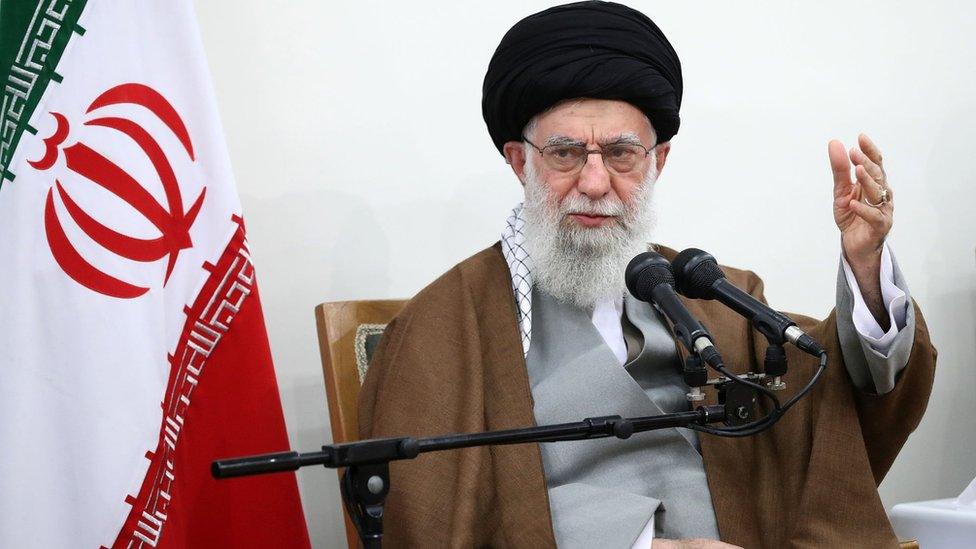
Ali Khamenei was born on April 19, 1939, in Mashhad, a major religious city in Iran. His father was a respected Islamic scholar, which played a significant role in shaping his religious and ideological outlook. From an early age, Ali Khamenei was deeply influenced by religious teachings and political awareness.
He pursued religious education in Qom, one of the most important centers of Shia scholarship. During his studies, he became increasingly interested in political activism, especially against Western influence and authoritarian governance in Iran.
The intellectual development of Ayatollah Ali Khamenei was shaped by Islamic philosophy, revolutionary thought, and strong national identity. His exposure to religious scholarship gave him credibility among clerics, while his political involvement brought him recognition among revolutionary groups.
Role in the Iranian Revolution
The 1979 Iranian Revolution marked a turning point in Ali Khamenei’s life. He played an active role in the movement that led to the overthrow of the Shah of Iran. His revolutionary activities resulted in multiple arrests and surveillance by the previous regime.
After the revolution’s success, Ali Khamenei emerged as a trusted figure among Iran’s new leadership. His loyalty to revolutionary ideals and close association with key leaders helped him gain influence within the political structure.
Following the revolution, Iranian supreme leader Ali Khamenei held several important positions, including membership in the Revolutionary Council and leadership roles in religious institutions.
Political Rise and Presidency
Before becoming Supreme Leader, Ali Khamenei served as President of Iran from 1981 to 1989. His presidency occurred during a challenging period marked by war, political restructuring, and economic difficulties.
Key Highlights of His Presidency
-
Strengthened Iran’s revolutionary institutions
-
Supported national defense policies
-
Promoted Islamic governance principles
-
Expanded state authority in political matters
During his presidency, Ayatollah Ali Khamenei gained administrative experience and political influence that later supported his transition to Supreme Leader.
Becoming Supreme Leader
In 1989, after the death of Ruhollah Khomeini, Ali Khamenei was appointed as the Supreme Leader of Iran. This position made him the highest political and religious authority in the country.
The Supreme Leader oversees:
-
Armed forces
-
Judiciary
-
State media
-
Major policy decisions
-
Religious direction of the nation
As Iranian supreme leader Ali Khamenei, his authority surpasses that of the president, making him the central figure in Iran’s power structure.
Powers and Responsibilities
The position held by Ayatollah Ali Khamenei combines religious authority with political control. His responsibilities include shaping national policy, appointing key officials, and guiding ideological direction.
Major Powers
-
Commander-in-chief of armed forces
-
Appointment of judiciary heads
-
Approval of presidential elections
-
Control of security institutions
-
Influence over foreign policy
These responsibilities highlight how Ali Khamenei plays a decisive role in Iran’s governance.
Leadership Style and Governance
Ali Khamenei’s leadership style is characterized by strong ideological commitment, centralized authority, and emphasis on Islamic governance. He promotes national independence, cultural identity, and resistance to foreign influence.
His governance approach includes:
-
Maintaining religious authority in politics
-
Emphasizing economic self-sufficiency
-
Strengthening national security
-
Supporting regional alliances
Supporters view Iranian supreme leader Ali Khamenei as a protector of national sovereignty, while critics argue his policies limit political freedoms.
Religious Authority and Influence
As a senior cleric, Ayatollah Ali Khamenei holds significant religious authority. His status as a religious leader provides legitimacy within Iran’s political system.
Religious Contributions
-
Promotion of Shia Islamic teachings
-
Guidance on religious policies
-
Issuance of religious statements
-
Influence over educational institutions
His religious position strengthens his political influence and reinforces the connection between religion and governance in Iran.
Domestic Policies and Economic Vision

Ali Khamenei has promoted policies aimed at economic independence and resistance to external pressure. His vision emphasizes domestic production, self-reliance, and national resilience.
Key Economic Priorities
-
Reducing dependence on foreign markets
-
Encouraging domestic industry
-
Strengthening national infrastructure
-
Supporting scientific advancement
The policies supported by Iranian supreme leader Ali Khamenei aim to create a stable and independent economy.
Foreign Policy and Global Influence
Ali Khamenei plays a major role in shaping Iran’s international relations. His foreign policy approach emphasizes independence and resistance to global dominance.
Major Foreign Policy Principles
-
Opposition to foreign intervention
-
Strategic regional partnerships
-
Defense of national sovereignty
-
Promotion of ideological influence
As Ayatollah Ali Khamenei, his decisions impact global political dynamics, particularly in the Middle East.
Assassination Attempt and Personal Challenges
In 1981, Ali Khamenei survived an assassination attempt that left his right arm permanently injured. The incident strengthened his public image as a revolutionary figure committed to political change.
Despite physical challenges, he continued his political career and eventually became Iranian supreme leader Ali Khamenei, demonstrating resilience and determination.
Personal Life and Interests
Ali Khamenei is known to maintain a relatively private personal life. He is married and has children, and he often emphasizes traditional values.
Personal Interests
-
Literature and poetry
-
Islamic philosophy
-
Cultural studies
-
Religious scholarship
The intellectual pursuits of Ayatollah Ali Khamenei reflect his scholarly background and religious dedication.
Criticism and Controversies
Like many powerful leaders, Ali Khamenei has faced criticism regarding political freedom, governance methods, and policy decisions.
Common Areas of Debate
-
Political reforms
-
Human rights issues
-
Media control
-
International relations
While supporters defend his leadership as essential for national stability, critics challenge the concentration of power held by Iranian supreme leader Ali Khamenei.
Influence on Iranian Society

Ali Khamenei’s leadership has significantly shaped Iran’s cultural and political identity. His emphasis on religious values and national unity influences education, governance, and social policy.
The vision promoted by Ayatollah Ali Khamenei continues to define Iran’s political framework and societal direction.
Leadership Timeline
| Year | Event |
|---|---|
| 1939 | Born in Mashhad |
| 1979 | Participated in Iranian Revolution |
| 1981 | Survived assassination attempt |
| 1981–1989 | Served as President of Iran |
| 1989 | Became Supreme Leader |
| Present | Continues leadership of Iran |
Famous Statements and Ideological Views
Leadership Philosophy
Ali Khamenei emphasizes independence, religious governance, and resistance to foreign influence as central principles of national strength.
Political Influence
As the Iranian supreme leader Ali Khamenei, he holds ultimate authority over Iran’s military, judiciary, and major policy decisions.
Religious Authority
Ayatollah Ali Khamenei represents the fusion of political leadership and religious guidance within Iran’s system of governance.
Impact on Global Politics
Ali Khamenei’s leadership extends beyond national boundaries. His decisions influence regional stability, international negotiations, and geopolitical strategy.
The authority exercised by Iranian supreme leader Ali Khamenei has made him one of the most significant figures in modern global politics.
Legacy and Historical Significance
The legacy of Ali Khamenei continues to evolve as he remains in power. His leadership represents continuity of Iran’s revolutionary principles and long-term ideological governance.
Historians often describe Ayatollah Ali Khamenei as a defining figure in shaping contemporary Iran’s political identity.
Conclusion
Ali Khamenei remains one of the most influential leaders in the modern world. From his early religious education to his role as Iran’s highest authority, his journey reflects political determination, ideological commitment, and strong leadership.
As the Iranian supreme leader Ali Khamenei, he continues to guide Iran’s political direction, economic policies, and global strategy. The influence of Ayatollah Ali Khamenei on Iran’s society, governance, and international relations ensures his lasting place in history.
His leadership demonstrates the powerful intersection of religion and politics, shaping not only Iran’s future but also global political developments for years to come.